

Tudor Board
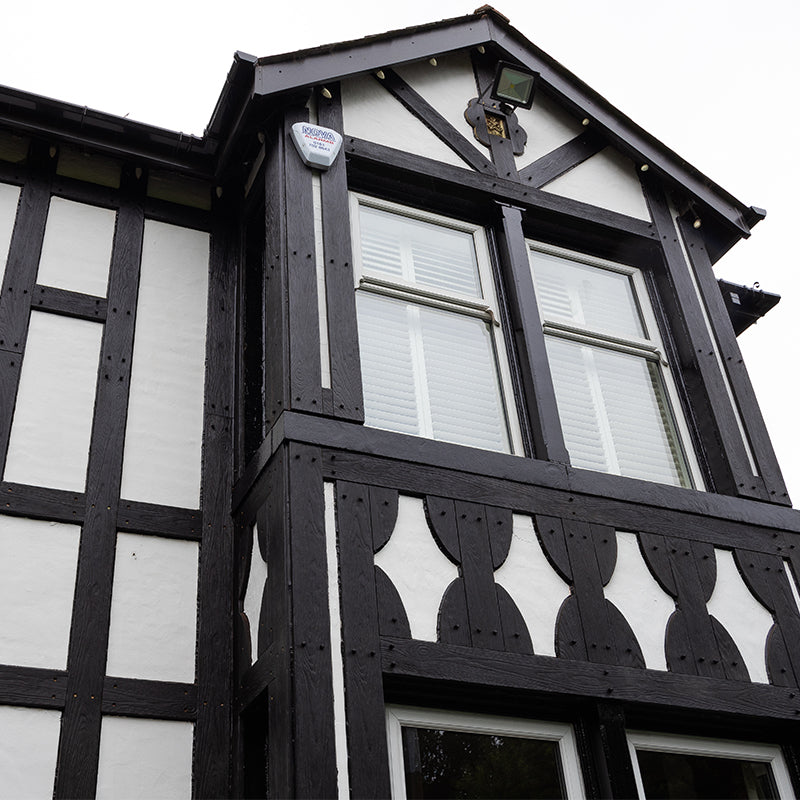
Looks like wood, but much better.
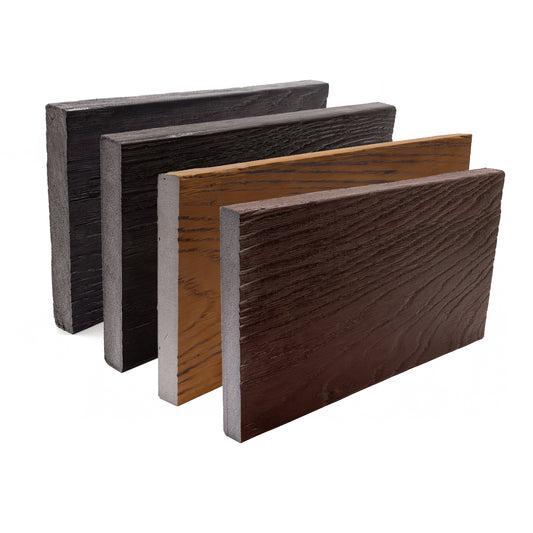
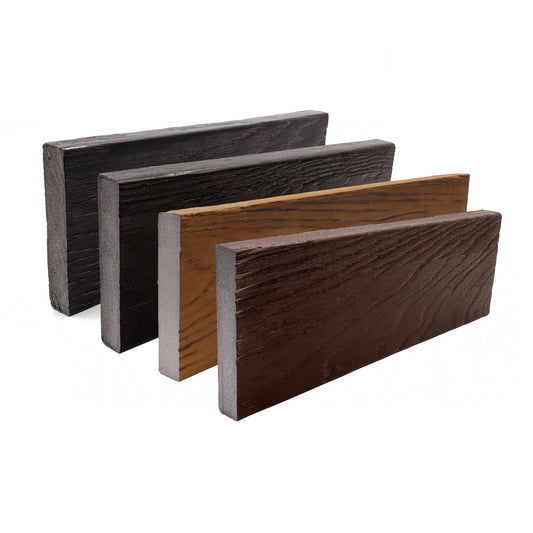
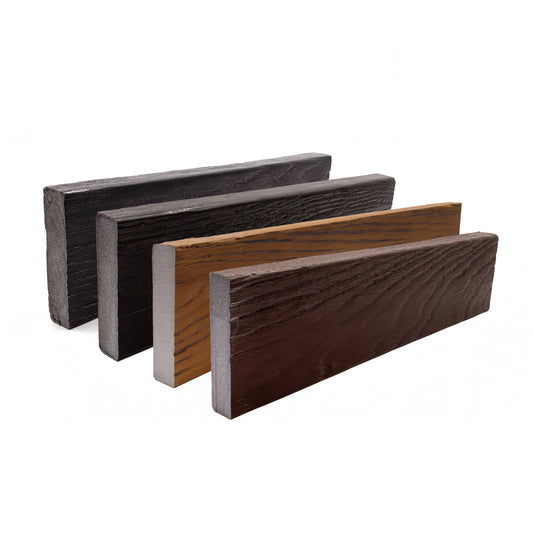
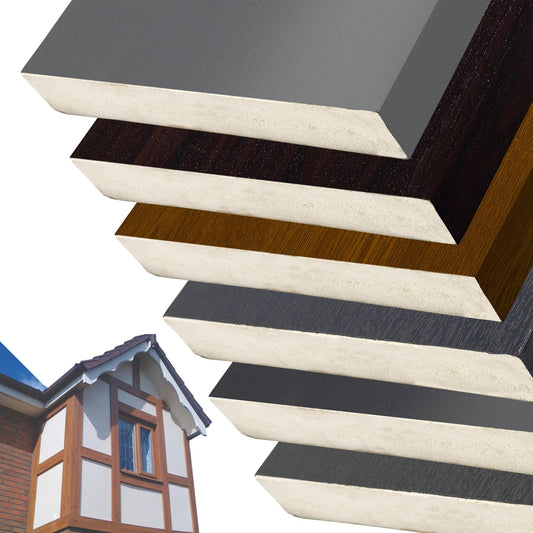
Extremely strong and lightweight polyurethane tudor board, with authentic woodgrained finish, which is just like real wood, but better. Our tudor board planks are available in different sizes to suite various applications and designs, along with mock pegs, and touch-up paint.
Key Features
-
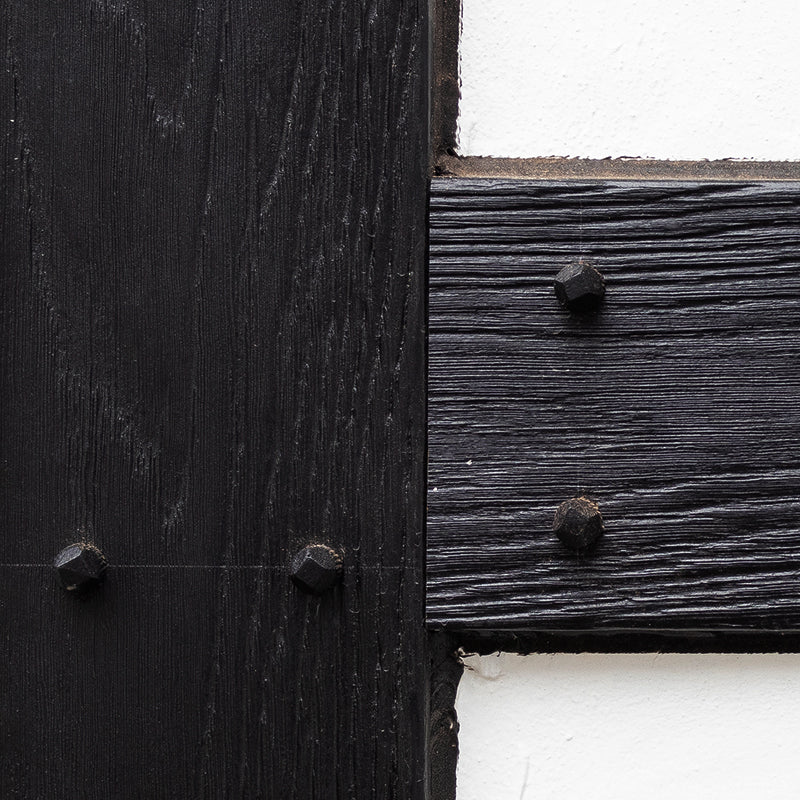
Authentic Fixings
Mock Tudor pegs hide screws
-
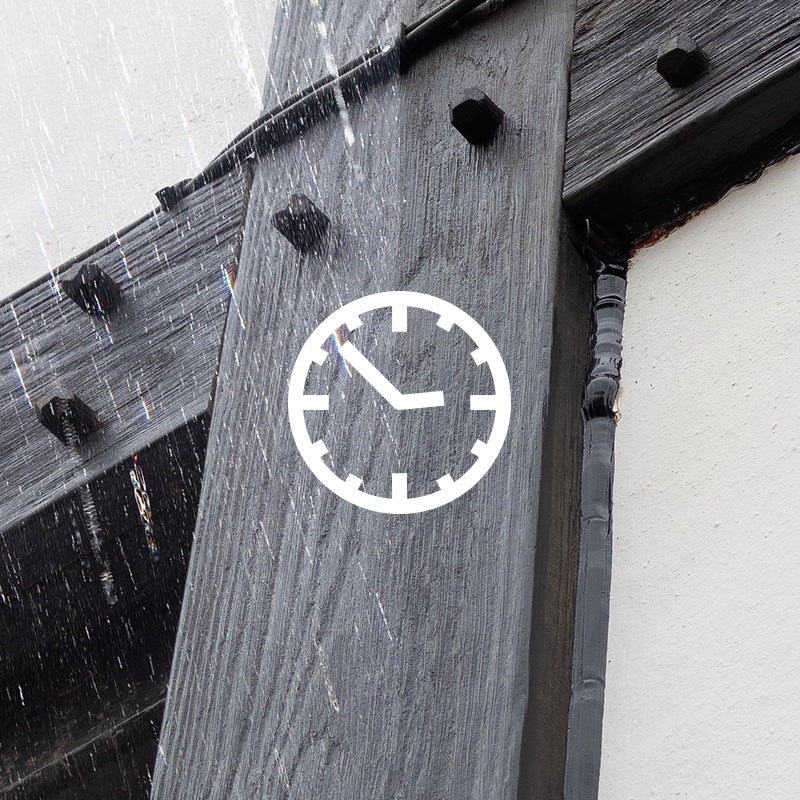
Long Lasting
Durable and hard wearing
-
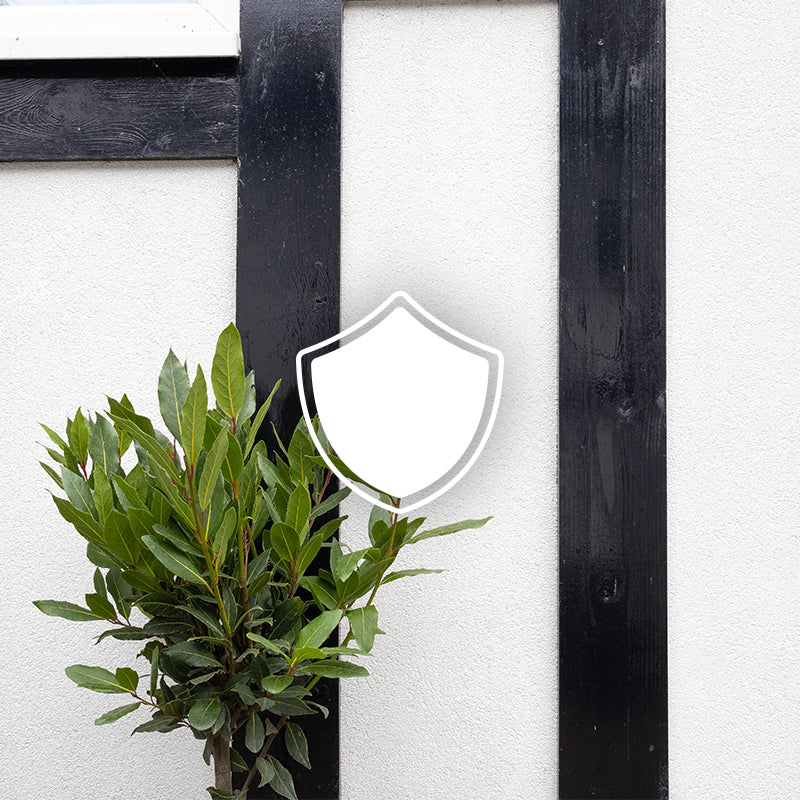
Weather Resistant
Hardly affected by harsh conditions
-

Oak Grained Finish
Natural high quality texture
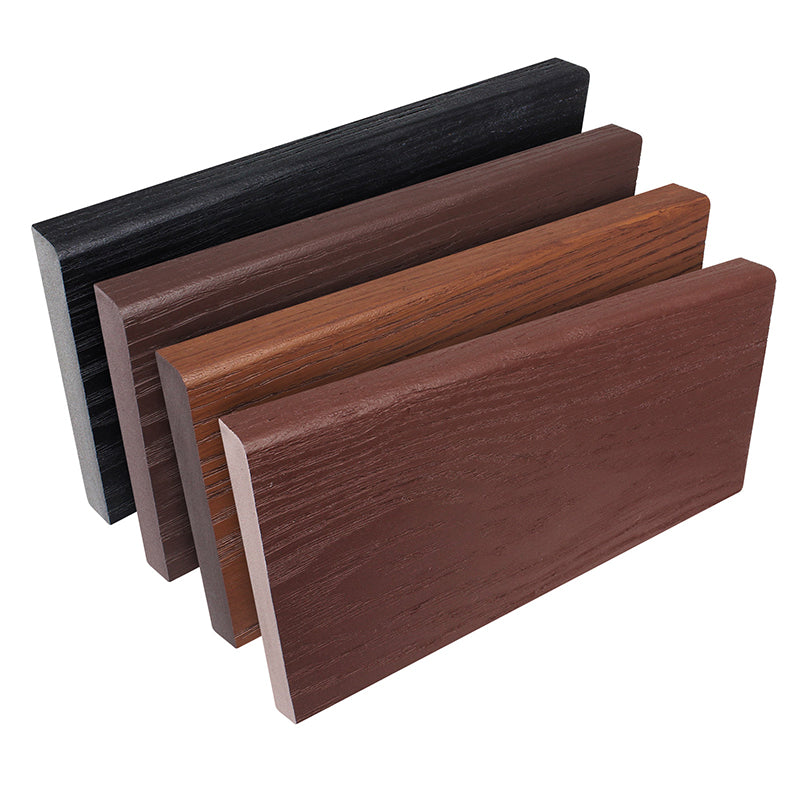
Designed to replace rotting, unsightly wood exteriors to give a long-lasting, low maintenance alternative, that saves money and adds value to your home.
-
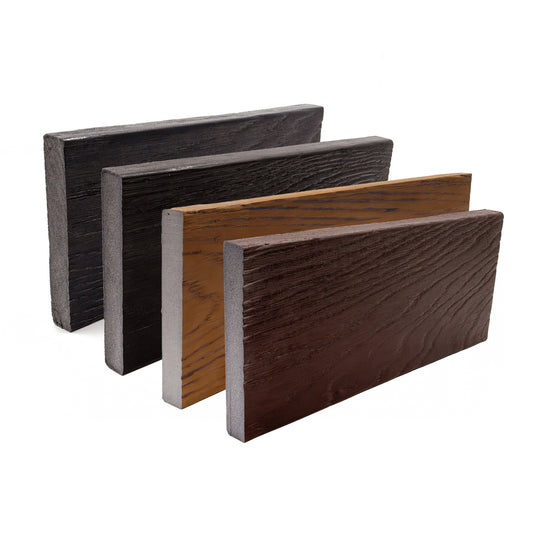 5% OFF | £500+
6" Tudor Board (4.2m)
Regular price From £80.20Regular priceUnit price per -
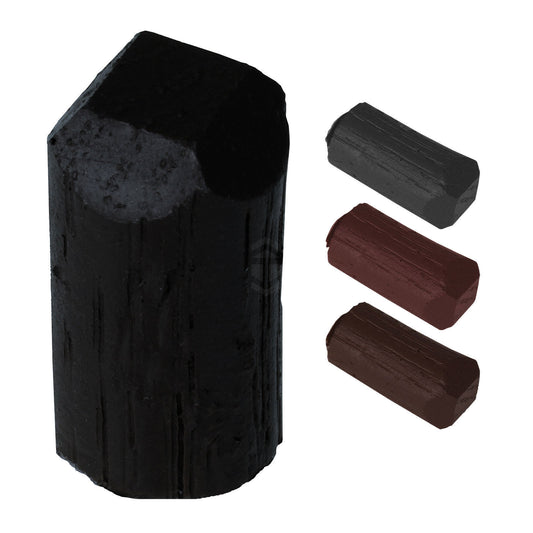 5% OFF | £500+
Mock Tudor Board Pegs (10 Pack)
Regular price £6.50Regular priceUnit price per -
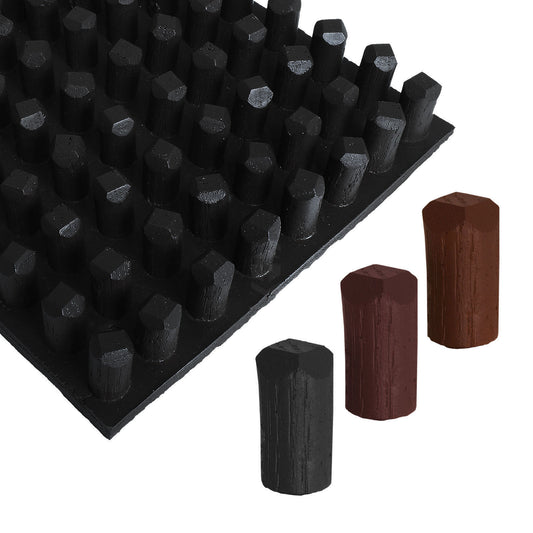 5% OFF | £500+
Mock Tudor Board Peg Board
Regular price £26.34Regular priceUnit price per -
 5% OFF | £500+
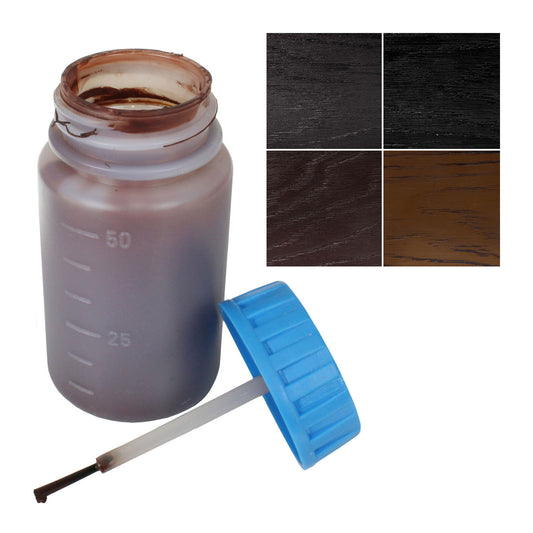
Mock Tudor Board Touch-up Paint
Regular price £8.50Regular priceUnit price per -
 5% OFF | £500+
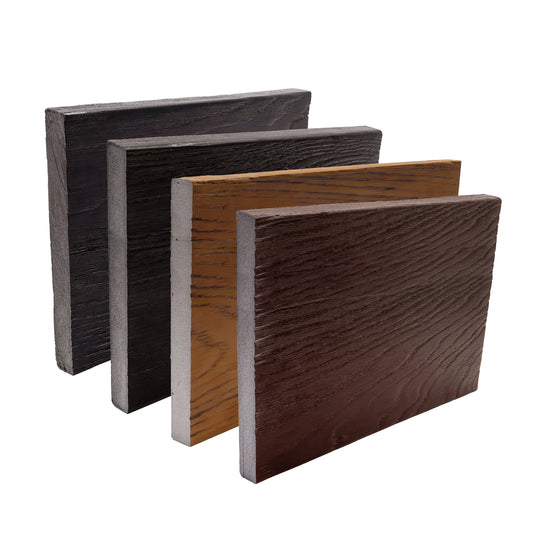
Mock Tudor Board (Sample)
Regular price £0.50Regular priceUnit price per -
 5% OFF | £500+
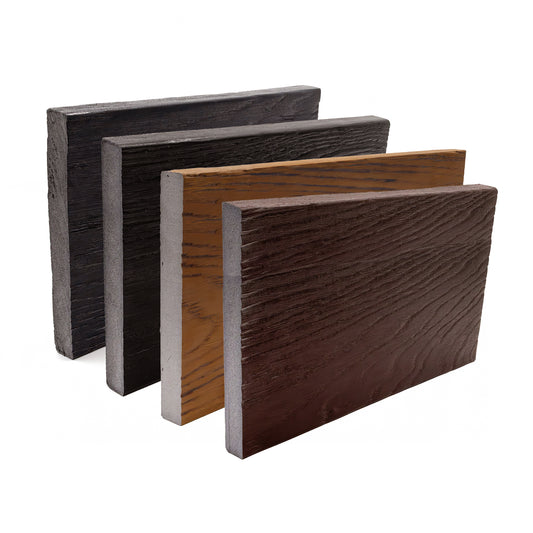
9" Tudor Board (4.2m)
Regular price From £108.71Regular priceUnit price per -
 5% OFF | £500+
8" Tudor Board (4.2m)
Regular price From £92.34Regular priceUnit price per -
 5% OFF | £500+
7" Tudor Board (4.2m)
Regular price From £92.66Regular priceUnit price per -
 5% OFF | £500+
5" Tudor Board (4.2m)
Regular price From £74.84Regular priceUnit price per -
 5% OFF | £500+
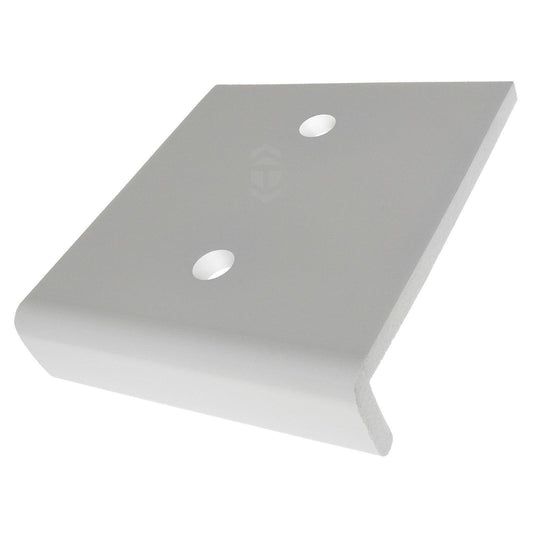
4" Tudor Board (3.03m)
Regular price From £53.46Regular priceUnit price per -
 5% OFF | £500+
Tudor Board Peg Template
Regular price £5.75Regular priceUnit price per -
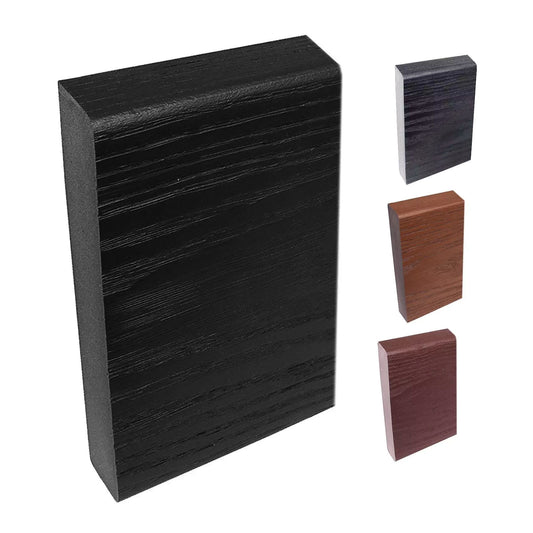
uPVC Tudor Board (150mm x 5m)
Regular price £45.10Regular priceUnit price per -
uPVC Tudor Board Backing Sheet (1.22m x 2.44m)
Regular price £45.10Regular priceUnit price per -
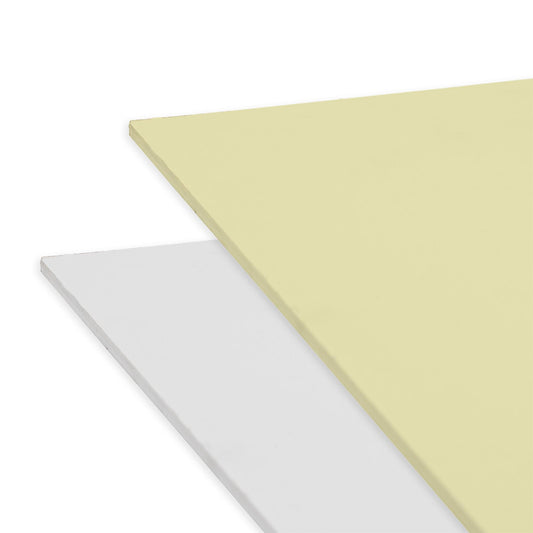
Aluminium Composite Render Panel (1.22m x 2.44m)
Regular price £50.14Regular priceUnit price per -
Aluminium Composite Render Panel (Sample)
Regular price £1.00Regular priceUnit price per


Frequently Asked Questions
What is Tudor Board and what is it used for?
What is the difference between your uPVC and polyurethane Mock Tudor Board?
How do I choose the right Tudor Board width and spacing for my property?
What sizes, widths, lengths and thicknesses of Tudor Board are available?
| Type | Width | Thickness | Length |
|---|---|---|---|
| uPVC | 6" (150 mm) | 20 mm | 5 m |
| Replica Wood Mock Tudor |
4" (100 mm) | 20 mm | 3.03 m |
| 5" (125 mm) | 22 mm | 4.2 m | |
| 6" (150 mm) | 25 mm | 4.2 m | |
| 7" (175 mm) | 25 mm | 4.2 m | |
| 8" (200 mm) | 27 mm | 4.2 m | |
| 9" (225 mm) | 27 mm | 4.2 m |


